Internal dissent within Albania’s Democratic Party triggers renewed leadership tensions
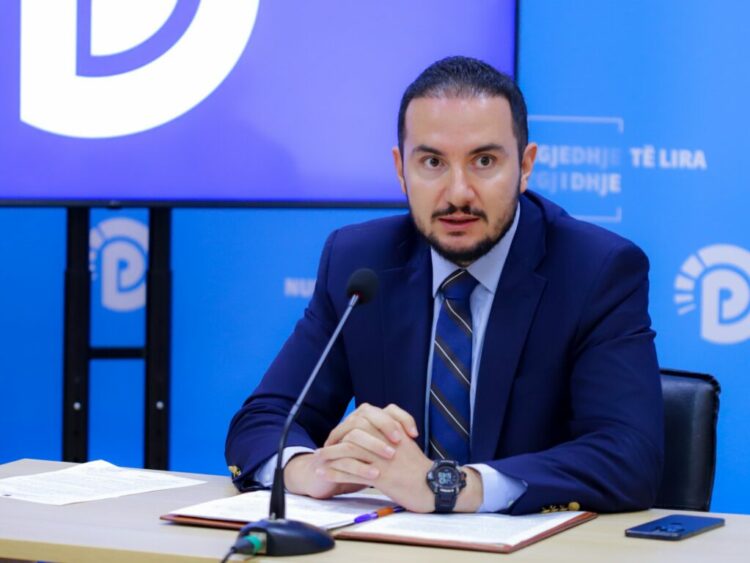
A grassroots tour launched by two prominent Democratic Party figures – former MP Ervin Salianji and physician Ilir Alimehmeti – has exposed internal fault lines in Albania’s largest opposition force, intensifying pressure on party leader Sali Berisha after a disappointing electoral showing in May.
Why is this important: The initiative underscores a growing divide between party leadership and influential members sidelined from parliamentary candidacy. Their calls for internal reform and broader inclusion come at a time when Berisha faces criticism for refusing to step down after electoral defeat, raising questions about accountability and renewal within the Democratic Party.
Context: Salianji and Alimehmeti have begun a nationwide tour – starting in Durrës – aimed at engaging party members at the grassroots level. They frame the effort as a movement to “open up the party” and prepare for political change, following what they describe as a closed, top-down approach to candidate selection and strategic decision-making.
Alimehmeti, a popular figure in the party’s primaries but left off the safe parliamentary list, emphasized the need to foster internal momentum for change. Meanwhile, local DP leaders in Durrës circulated a message distancing the official party structure from the event, labeling it an unofficial gathering.
What are the sides saying:
Salianji urged Democrats to prepare the party to lead political transformation in Albania:
“Victory is not optional—it’s a duty. And to win, the Democratic Party must open up,” he said.
Berisha, who retained party leadership despite the May 11 election loss, responded sharply. He accused the group of pursuing a personal agenda and blamed them for abstaining from campaigning.
“They chose tourism over campaigning. They have to answer to the party structures,” Berisha said, dismissing the initiative as driven by resentment over not being included in the candidate lists.
Yet, when asked whether Salianji would face expulsion, Berisha deflected:
“He can continue his personal agenda. He has responsibilities in his assigned zone and a seat in the party’s presidency to raise any concerns.”
Background: The Democratic Party under Berisha suffered a major blow in the most recent elections, securing its lowest-ever number of seats in parliament. Despite this, no internal review or leadership change followed. Berisha attributed the loss to alleged election manipulation, despite international observers declaring the vote largely free and competitive.
Salianji, a controversial politician once celebrated by Berisha as a symbol of resistance against Prime Minister Edi Rama, recently completed a one-year prison sentence for his role in fabricating and publicizing a false audio recording that falsely accused a former interior minister’s brother of drug trafficking in an effort to fuel anti‑government protests. Since his release, he has sought to reintegrate himself into politics, and his re‑emergence – paired with Alimehmeti’s grassroots popularity – signals renewed attempts to reshape the party’s direction from within.
Next steps: The Salianji-Alimehmeti tour will continue in other Albanian cities in the coming weeks. Whether this movement gains further traction or prompts structural changes within the Democratic Party remains to be seen.
Go deeper
Erion Veliaj’s lawyers urge Constitutional Court to fast-track review amid concerns over capital’s governance

Published on December 13, 2025
Why is this important: The request places renewed pressure on the Constitutional Court to address one of the most contentious cases to emerge from Albania’s justice reform. Veliaj has been held in pre-trial detention since February, while the capital city is effectively governed in his absence by a deputy mayor. His lawyers argue that continued delays undermine constitutional guarantees, democratic representation, and the effective administration of Tirana, making the court’s timing as consequential as its eventual ruling.
Albanian Constitutional Court reinstates Deputy PM, redraws the line between judiciary and government

Published on December 12, 2025
Why is this important: While not a final ruling on the substance of the corruption case against Balluku, the decision represents a landmark institutional moment—one that redefines the limits of judicial reach into the executive branch. The case will now proceed to a full public hearing on January 22, where the Court will consider Prime Minister Edi Rama’s appeal for a constitutional interpretation of the powers of prosecutors and judges to suspend sitting cabinet members.
Albania proposes new rules to screen foreign investments in sensitive sectors

Published on December 9, 2025
Why is this important: The draft regulation introduces detailed procedures to assess and, if necessary, block or condition foreign investments that could pose risks to public order, national security, or Albania’s informational sovereignty. It signals growing concern about hybrid threats – including cyberattacks, disinformation, and data leaks—that could exploit vulnerabilities in strategic sectors.