Erion Veliaj’s lawyers urge Constitutional Court to fast-track review amid concerns over capital’s governance
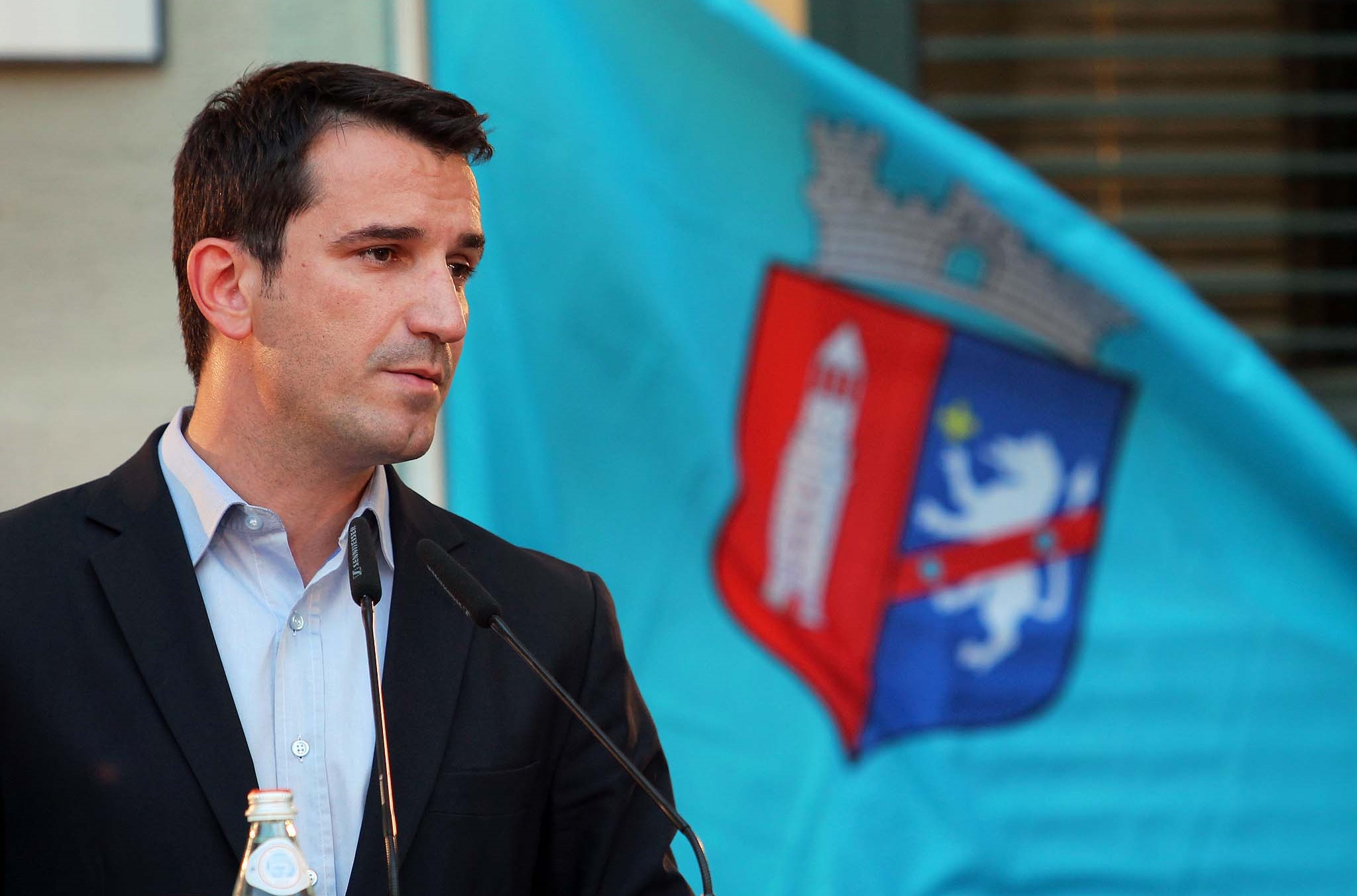
Albania’s Constitutional Court has been formally asked to accelerate its review of a constitutional challenge filed by Tirana Mayor Erion Veliaj against his continued pre-trial detention, which his legal team argues is unconstitutional and increasingly damaging to the functioning of the capital. The request was submitted by Veliaj’s lawyers nearly ten months after his arrest, as the case remains stuck in preliminary proceedings.
Why is this important: The request places renewed pressure on the Constitutional Court to address one of the most contentious cases to emerge from Albania’s justice reform. Veliaj has been held in pre-trial detention since February, while the capital city is effectively governed in his absence by a deputy mayor. His lawyers argue that continued delays undermine constitutional guarantees, democratic representation, and the effective administration of Tirana, making the court’s timing as consequential as its eventual ruling.
The case has broader implications for how Albania balances anti-corruption efforts with due process, particularly in high-profile political cases. The Constitutional Court has not yet set a date to examine the legality of Veliaj’s arrest, even though it has already ruled in his favor in a separate dispute, annulling a government decision that removed him from office and restoring him as mayor in principle.
What Veliaj’s lawyers argue: In their submission, Veliaj’s defense team calls for expedited review of the arrest measure approved by lower courts, which they say violates constitutional standards and exceeds the proportional use of pre-trial detention. They argue that the prolonged deprivation of liberty, without the case advancing to trial, amounts to an ongoing infringement of fundamental rights and creates institutional harm for the country’s largest municipality.
The lawyers stress that their challenge is not aimed at halting the investigation itself, but at restoring constitutional balance by ensuring that detention is not used as a default or punitive tool before a case is adjudicated.
Procedural context: The criminal case against Veliaj and other defendants is currently in the preliminary hearing stage, where the Special Anti-Corruption Court (GJKKO) must decide whether the file prepared by SPAK will proceed to full trial. Seventeen of Veliaj’s eighteen co-defendants have already been released under lighter measures, a disparity that has fueled criticism of unequal treatment.
The Constitutional Court has so far remained silent on the timing of its review, despite the growing legal and political attention surrounding the case.
Growing scrutiny of justice practices: Veliaj’s detention has become emblematic of a wider debate over the methods employed by SPAK and GJKKO. While the institutions retain broad public support for their anti-corruption mandate, recent months have seen increasing criticism over extended pre-trial detention, procedural shortcomings, and the perceived erosion of the presumption of innocence.
Next steps: The Constitutional Court must now decide whether to prioritize the case and rule on the constitutionality of Veliaj’s detention. Until then, Tirana remains without the active leadership of its elected mayor, and the broader debate over the limits of prosecutorial power in Albania’s justice reform continues to intensify.
Go deeper
Albanian Constitutional Court reinstates Deputy PM, redraws the line between judiciary and government

Published on December 12, 2025
Why is this important: While not a final ruling on the substance of the corruption case against Balluku, the decision represents a landmark institutional moment—one that redefines the limits of judicial reach into the executive branch. The case will now proceed to a full public hearing on January 22, where the Court will consider Prime Minister Edi Rama’s appeal for a constitutional interpretation of the powers of prosecutors and judges to suspend sitting cabinet members.
Albania proposes new rules to screen foreign investments in sensitive sectors

Published on December 9, 2025
Why is this important: The draft regulation introduces detailed procedures to assess and, if necessary, block or condition foreign investments that could pose risks to public order, national security, or Albania’s informational sovereignty. It signals growing concern about hybrid threats – including cyberattacks, disinformation, and data leaks—that could exploit vulnerabilities in strategic sectors.
Former U.S. diplomat Christopher Hill returns to Albania for memoir launch, reflects on legacy in the Balkans
Published on December 5, 2025
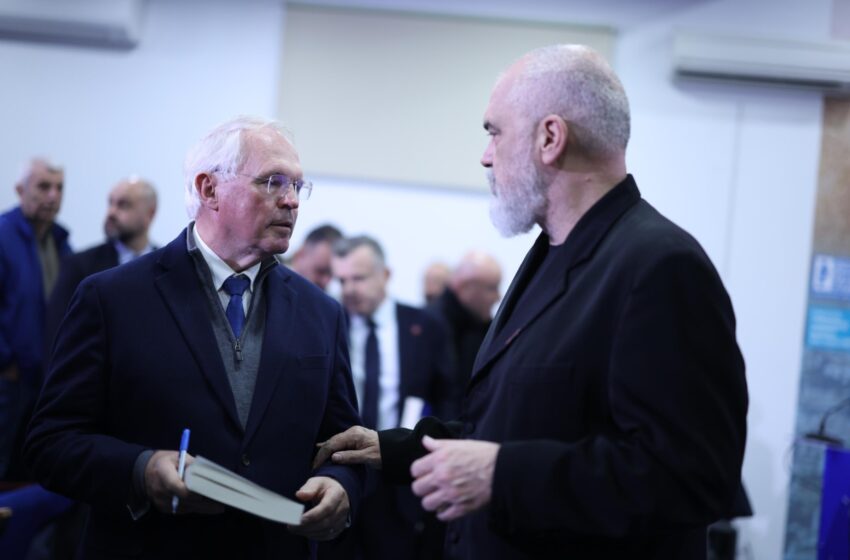
Why is this important: Hill, a key figure in U.S. foreign policy in the Balkans and beyond, is best known in Albania for his role in reestablishing diplomatic ties between the U.S. and Albania after March 1991, after decades of communist isolation. His return, now as an author rather than an envoy, has reignited interest in his legacy and influence across the region.