Erion Veliaj demands end to “humiliating” metal cage detention, access to case files: raises concerns over procedural fairness
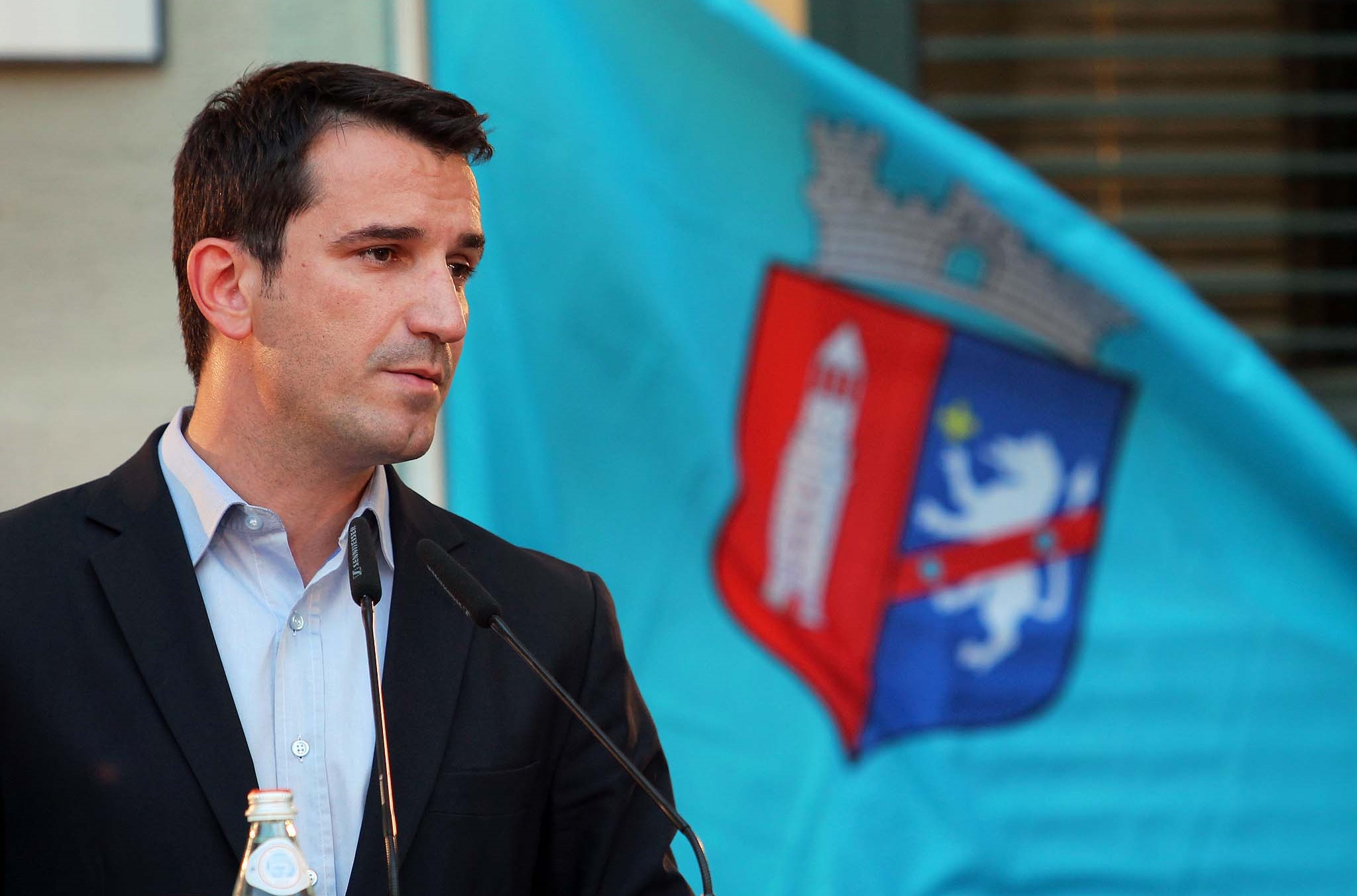
One day before the Special Anti-Corruption Court is expected to rule on a series of procedural complaints, Tirana Mayor Erion Veliaj issued a forceful appeal in court demanding the removal of what he called the “degrading and prejudicial” measure of holding him in a metal cage during hearings, a measure usually reserved for hardened criminals. He also demanded full access to his case files, which he claims he has yet to see after nearly 300 days in pre-trial detention.
Why is this important: Veliaj’s letter and courtroom intervention raise critical questions about due process in high-profile corruption trials, judicial transparency, and human rights standards in Albania. His case is now drawing attention not just politically, but potentially legally on an international scale, as he has signaled the possibility of appealing to the European Court of Human Rights in Strasbourg.
What Veliaj is saying
In a detailed written statement read aloud in court, Veliaj argued that:
- He has never been granted access to the 60,000 page case file built against him, citing legal and logistical barriers inside the detention system that prevent him from reading digital copies.
- His placement inside a metal cage during hearings is a violation of his dignity, the presumption of innocence, and his right to effective defense. He cited European Court of Human Rights (ECHR) precedent that classifies such treatment as degrading.
- The denial of access to case materials renders the trial procedurally one-sided, preventing him from preparing a proper legal defense.
- The visual presentation of a high-ranking elected official in a cage, despite no charges of violent behavior or security threats, creates a “criminalizing image” that unfairly influences public and judicial perception.
Veliaj made three specific requests to the court:
- Immediate removal of the metal cage during hearings.
- Full, readable access to the case files in a format compatible with prison rules.
- A postponement of proceedings until those rights are guaranteed.
What are they saying: His remarks come amid growing calls for greater transparency in special court trials, including live broadcasting of hearings to counterbalance what some critics call “trial by media” narratives. The issue is no longer seen as only legal, but also political and symbolic, touching the credibility of Albania’s justice reform.
Some legal commentators argue that measures such as cage detention, limited disclosure of case materials, and restricted communication with defense counsel violate Articles 3 and 6 of the European Convention on Human Rights. Critics have pointed out inconsistencies in treatment, noting that Veliaj was allowed to attend a Constitutional Court hearing without physical restraints, raising further questions about the necessity of current restrictions.
What’s next: The Special Court must now respond to Veliaj’s requests. Meanwhile, legal experts have cautioned that failure to address the procedural concerns may lead to an international legal challenge at the European Court of Human Rights in Strasbourg.
“If Strasbourg rules against Albania, it won’t just embarrass this court—it will cast doubt on the entire integrity of justice reform,” said analyst Lorenc Vangjeli.
Go deeper
Erion Veliaj’s lawyers urge Constitutional Court to fast-track review amid concerns over capital’s governance

Published on December 13, 2025
Why is this important: The request places renewed pressure on the Constitutional Court to address one of the most contentious cases to emerge from Albania’s justice reform. Veliaj has been held in pre-trial detention since February, while the capital city is effectively governed in his absence by a deputy mayor. His lawyers argue that continued delays undermine constitutional guarantees, democratic representation, and the effective administration of Tirana, making the court’s timing as consequential as its eventual ruling.
Albanian Constitutional Court reinstates Deputy PM, redraws the line between judiciary and government

Published on December 12, 2025
Why is this important: While not a final ruling on the substance of the corruption case against Balluku, the decision represents a landmark institutional moment—one that redefines the limits of judicial reach into the executive branch. The case will now proceed to a full public hearing on January 22, where the Court will consider Prime Minister Edi Rama’s appeal for a constitutional interpretation of the powers of prosecutors and judges to suspend sitting cabinet members.
Albania proposes new rules to screen foreign investments in sensitive sectors

Published on December 9, 2025
Why is this important: The draft regulation introduces detailed procedures to assess and, if necessary, block or condition foreign investments that could pose risks to public order, national security, or Albania’s informational sovereignty. It signals growing concern about hybrid threats – including cyberattacks, disinformation, and data leaks—that could exploit vulnerabilities in strategic sectors.